
Mastering the Art of Driving on Thick Sand
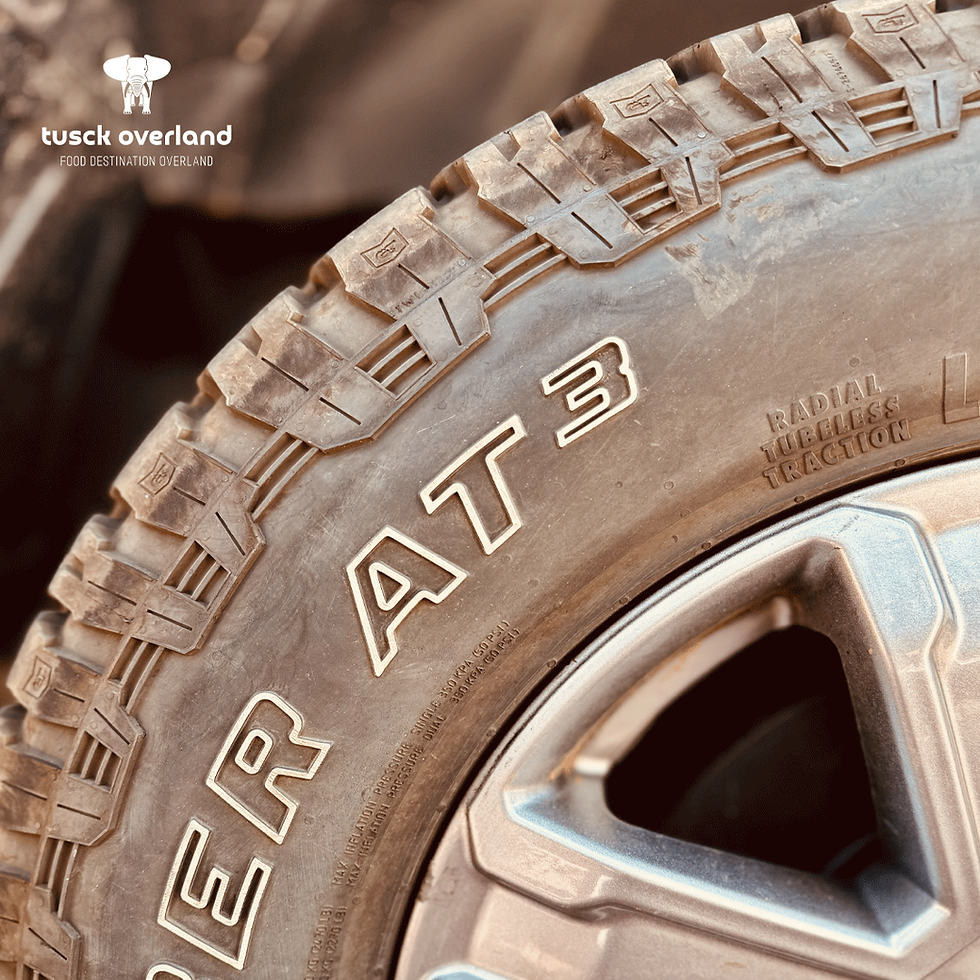
Mastering the Art of Driving on Thick Sand, can be a challenging yet exhilarating experience for off-road enthusiasts. Whether you are exploring sandy beaches, deserts, or dunes, navigating through this terrain requires a unique set of skills and techniques. In this comprehensive guide, we will delve into the intricacies of driving on thick sand and provide you with valuable tips to help you conquer this challenging terrain.
Understanding the Challenges of Driving on Thick Sand
Before we delve into the tips and techniques for driving on thick sand, it is essential to understand the challenges associated with this terrain. Thick sand can be extremely soft and loose, making it difficult for vehicles to gain traction. Additionally, driving on sand can lead to a phenomenon known as "bogging down," where the vehicle sinks into the sand due to its weight and the lack of traction.

Essential Tips for Driving on Thick Sand
Tire Pressure: One of the most critical factors in driving on thick sand is tire pressure. Lowering your tire pressure significantly improves traction by increasing the surface area of the tire in contact with the sand. It is recommended to reduce tire pressure to around 1.5 bar for driving on thick sand. This also prevents future road corrigation. Note, the pressure of your tyres should not go lower than 1.2 bar.
Momentum: Maintaining momentum is key to driving on thick sand. Once you start moving, try to maintain a steady speed to prevent your vehicle from getting stuck. Avoid sudden stops or sharp turns, as they can cause your vehicle to lose traction.
Engage four-wheel drive (4WD high) to improve traction and increase power distribution to all four wheels. 4WD can help you navigate through thick sand more effectively and reduce the chances of getting stuck. If keeping momentum is not possible, you would need to use first gear in low-range with diff-lock. If you got stuck, then you will get the badge of experience!
Driving Techniques: When driving on thick sand, avoid making sudden steering movements. Instead, use gentle and gradual steering inputs to maintain control over your vehicle. Keep a firm grip on the steering wheel and anticipate any changes in the terrain. Drive on thick sand as early in the day as possible. As time progress during the day, the sand gets hotter and more loose, makig the task extra more difficult for drivig conditions.
Avoid sudden braking and Spinning of your Tires: If your tires start spinning in place, stop immediately to prevent digging yourself deeper into the sand. Try reversing out of the situation or using traction aids such as sand tracks or boards to provide additional grip. Applying sudden brakes, could also lead to acccumalation of sand like a wall like structure around your tyres. It is also due to this reason, that you will find that many dune areas are one way roads, and thus also asssiting in accidents coming over high dunes.
Recovery Equipment: It is advisable to carry essential recovery equipment such as a shovel, traction boards, tow straps, and a high-lift jack when driving on thick sand. These tools can help you get unstuck and back on track in case of emergencies.
Conclusion
Driving on thick sand requires a combination of skill, technique, and preparation. By following the tips outlined in this guide and practicing in a safe environment, you can enhance your off-road driving skills and tackle sandy terrain with confidence. Remember to always prioritize safety and be mindful of the unique challenges posed by driving on thick sand. Now, gear up, lower your tire pressure, engage 4WD, and embark on an exciting off-road adventure through the sandy landscapes!


Comments